The 30-Point Arizona Horse Property Buyer Checklist
The 30-Point Arizona Horse Property Buyer Checklist
I have helped buyers purchase horse property in Arizona for 24 years. In that time, I have seen every mistake a buyer can make — and most of them were preventable. This checklist is the result of just under 1,000 closed transactions, hundreds of horse property evaluations, and a lifetime spent in the equestrian world.
SECTION 1: Know Your Operation First
Point 1: Write down exactly how many horses you own now and how many you plan to add within three years.
Point 2: Define your discipline — barrel racing, cutting, team roping, trail riding, and pleasure horses have different requirements.
Point 3: Decide whether you intend to operate a boarding, training, or lesson business.
Point 4: Determine your realistic post-purchase facility budget.
Point 5: Decide your maximum commute tolerance.
SECTION 2: Zoning and Legal Verification
Point 6: Confirm the specific zoning designation of every property you seriously consider.
Point 7: Verify the number of horses permitted per acre under the specific zoning classification.
Point 8: Request and read the full CC&Rs if the property is in an HOA.
Point 9: Confirm whether the property is in Maricopa County or Pinal County.
Point 10: Verify setback requirements for existing structures — barn, arena, stalls.
SECTION 3: Water and Irrigation
Point 11: Determine the primary water source — municipal connection, private well, or both.
Point 12: If the property has a private well, require a full well inspection — flow rate, water quality, and pump condition.
Point 13: Verify flood irrigation access directly with the relevant irrigation district.
Point 14: Ask for two years of water bills if the property uses municipal water.
Point 15: Verify the location of all water access points relative to the barn, arena, and turnout areas.
SECTION 4: Facility Evaluation
Point 16: Evaluate the arena footing — depth, composition, and drainage.
Point 17: Assess arena drainage after rainfall.
Point 18: Inspect every stall — construction quality, sizing, ventilation, and condition.
Point 19: Walk every fence line on the property.
Point 20: Evaluate shade and shelter coverage for your horse count.
Point 21: Assess hay and feed storage — ventilation, roof integrity, and delivery access.
Point 22: Confirm trailer parking availability and access.
SECTION 5: Property and Land
Point 23: Walk the full acreage — identify drainage patterns, arroyo locations, and monsoon-season impacts.
Point 24: Verify the driveway and access road condition and ownership.
Point 25: Ask about neighboring properties and land use.
SECTION 6: Financial and Transaction Preparation
Point 26: Get pre-approved before you start searching.
Point 27: Work with a lender experienced in equestrian and agricultural property financing.
Point 28: Budget for a specialist inspection with equestrian experience.
Point 29: Include appropriate contingencies for well inspection, flood irrigation verification, and facility condition.
Point 30: Work with an agent who lives and understands the horse property lifestyle.
A Final Word
I built this checklist from 24 years of experience and just under 1,000 closed transactions. If you are ready to buy horse property in Arizona, I would love to walk you through this checklist in person and help you find the right property for your operation.
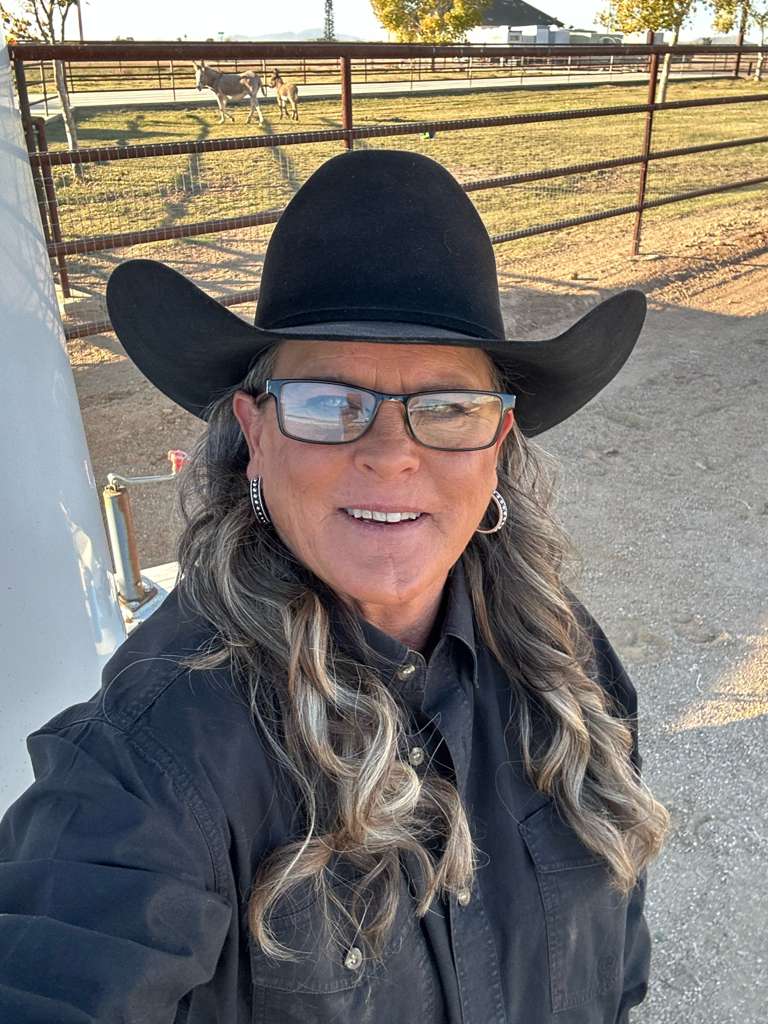
I am Kim Williamson — 8x WPRA World Champion, 24 years of Arizona real estate experience, and just under 1,000 closed transactions. Call me at 480-206-1500 or visit arizonahorsepropertyforsale.com.
Kim Williamson, PLLC | Real Broker, LLC | (480) 206-1500 | arizonahorsepropertyforsale.com | License SA569376000