ARIZONA HORSE PROPERTY CHECKLIST — 12 THINGS TO INSPECT BEFORE YOU MAKE AN OFFER
I've walked hundreds of horse properties in my 24 years selling real estate in Arizona. What looks great in listing photos and what actually holds up when you walk the property are two very different things.
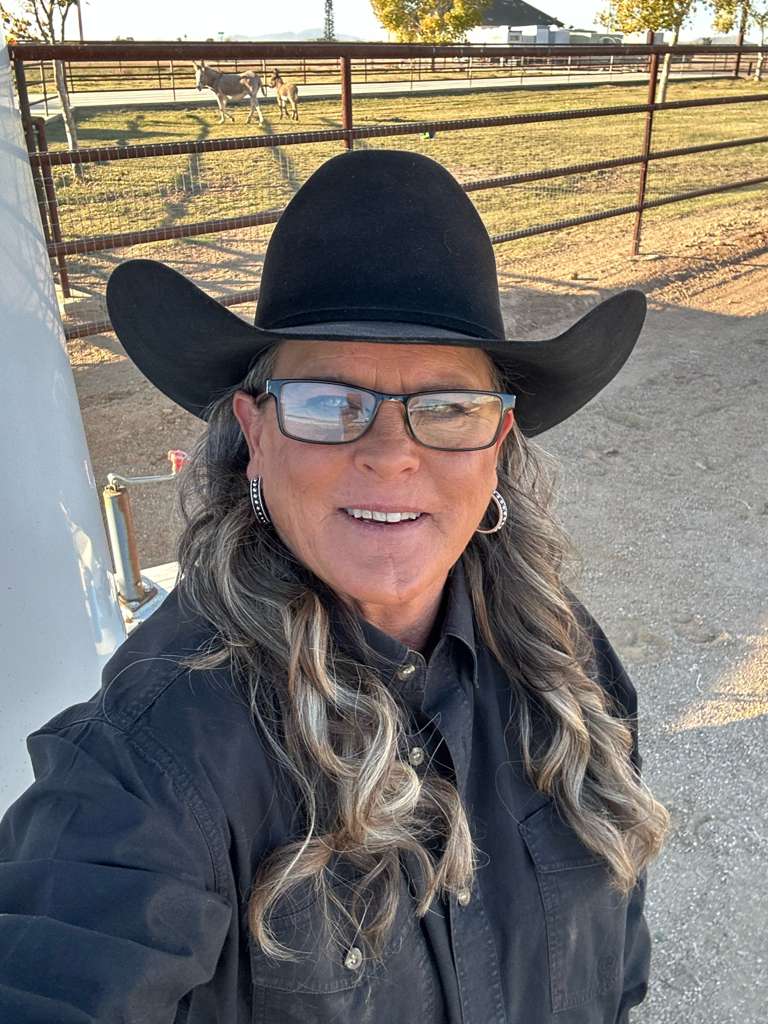
I'm Kim Williamson — 8x WPRA World Champion, 24 years selling Arizona horse property, just under 1,000 closed transactions. Here are the 12 things that separate a great horse property purchase from an expensive lesson.
1. WATER SOURCE AND SUPPLY — Horses drink 10 to 12 gallons per day minimum. If on well water, you need the well inspection report: depth, gallons per minute, last test date, and water quality.
2. ZONING AND LIVESTOCK ALLOWANCES — Verify zoning and exactly what's permitted. In Mesa's single-family zones, corrals require 1,200 square feet per horse and 40-foot setbacks.
3. WELL CONDITION — A well replacement in Arizona can run $15,000 to $30,000 depending on depth. Always get a professional well inspection on rural properties.
4. BARN AND SHELTER CONDITION — Walk every inch. Look at the roof, posts, beams, stall flooring, and ventilation. A barn that's not properly ventilated in an Arizona summer is a health risk for horses.
5. ARENA FOOTING AND CONDITION — Native desert dirt compacts hard and can be tough on horses' joints. Quality sand or decomposed granite footing is significantly better. Find out when the footing was last worked.
6. FENCING INTEGRITY — Walk the perimeter. All of it. Check for broken boards, loose posts, rust on pipe fencing, and gaps. UV degrades wood fencing faster in Arizona than most other climates.
7. FLOOD PLAIN STATUS AND DRAINAGE — Monsoon storms can dump significant water fast. Find out whether the property is in a FEMA flood zone and understand how water flows across it during heavy rain.
8. SHADE AND SUN EXPOSURE — Where does the shade fall at 2pm in August? A property that's beautiful in February can be punishing in July if the horse facilities are in full sun.
9. FLOOD IRRIGATION RIGHTS — If the property has active flood irrigation rights, verify the rights are current, the cost per water turn, and how the irrigation is delivered to the property.
10. TRAILER AND VEHICLE ACCESS — Can you get a full-size horse trailer in and out comfortably? Can your farrier, vet, and hay supplier access the property easily?
11. NEIGHBORING PROPERTIES AND USES — What's next door? Neighboring property uses matter. Check the zoning of surrounding parcels.
12. PROPERTY HISTORY AND PERMITS — Were the barn, arena, and outbuildings permitted? Unpermitted structures can create complications at resale.
I'm Kim Williamson. When you're ready to walk a property together, call me at 480-206-1500 or visit arizonahorsepropertyforsale.com.