Horse Property Financing in Arizona: Loans and Options Explained
Horse Property Financing in Arizona: Loans and Options Explained
Financing horse property is genuinely different from financing a standard home, and a lot of buyers find this out partway through the process — which is the worst possible time to learn it. Here is what you need to know upfront.
WHY HORSE PROPERTY FINANCING IS DIFFERENT
Lenders evaluate horse property differently because it often includes acreage, outbuildings like barns and arenas, and sometimes agricultural water rights. Not every lender is comfortable underwriting these features, and not every loan product is designed for them. This is why working with a lender experienced in rural and acreage properties matters as much as working with an agent who understands horse property.
CONVENTIONAL LOANS
Conventional financing can work for horse property, particularly when the home value makes up the majority of the purchase price and the land is a smaller portion. Lenders may cap the amount of acreage or outbuilding value they will finance under standard conventional guidelines, so confirm this early with your specific lender.
USDA RURAL DEVELOPMENT LOANS
For qualifying rural areas and income limits, USDA loans can offer favorable terms, including no down payment in some cases. Many parts of San Tan Valley and Apache Junction may qualify depending on current USDA eligibility maps, which are worth checking before you assume a property does or does not qualify.
FARM AND RANCH OR AG-EXEMPT FINANCING
For properties with a genuine agricultural component, specialized farm and ranch loan products exist through certain lenders and farm credit institutions. These are typically more relevant for larger acreage with active agricultural use rather than a hobby horse setup.
JUMBO AND PORTFOLIO LOANS
Higher-value horse properties, particularly in Scottsdale or larger luxury parcels, often require jumbo financing above conventional loan limits. Portfolio lenders who keep loans in-house rather than selling them can sometimes offer more flexibility for unique properties that don't fit standard underwriting boxes.
WHAT LENDERS LOOK AT CLOSELY
Appraisers and underwriters will scrutinize outbuilding value, confirm zoning supports the property's described use, and may require additional documentation for water rights or irrigation membership. Get ahead of this by gathering documentation early rather than scrambling once you're under contract.
TIPS FOR A SMOOTHER FINANCING PROCESS
Get pre-qualified with a lender who has specifically closed horse property loans before, not just a generalist. Ask directly about acreage limits, outbuilding value caps, and water rights documentation requirements. Build extra time into your closing timeline for appraisal, since rural and acreage appraisals often take longer to schedule and complete than standard home appraisals.
THE BOTTOM LINE
Horse property financing has real nuances that can derail a transaction if you're working with the wrong lender or are unprepared for what underwriting will require. I work with a network of lenders experienced specifically in East Valley horse property financing, and I connect every buyer with the right fit before we even start touring properties.
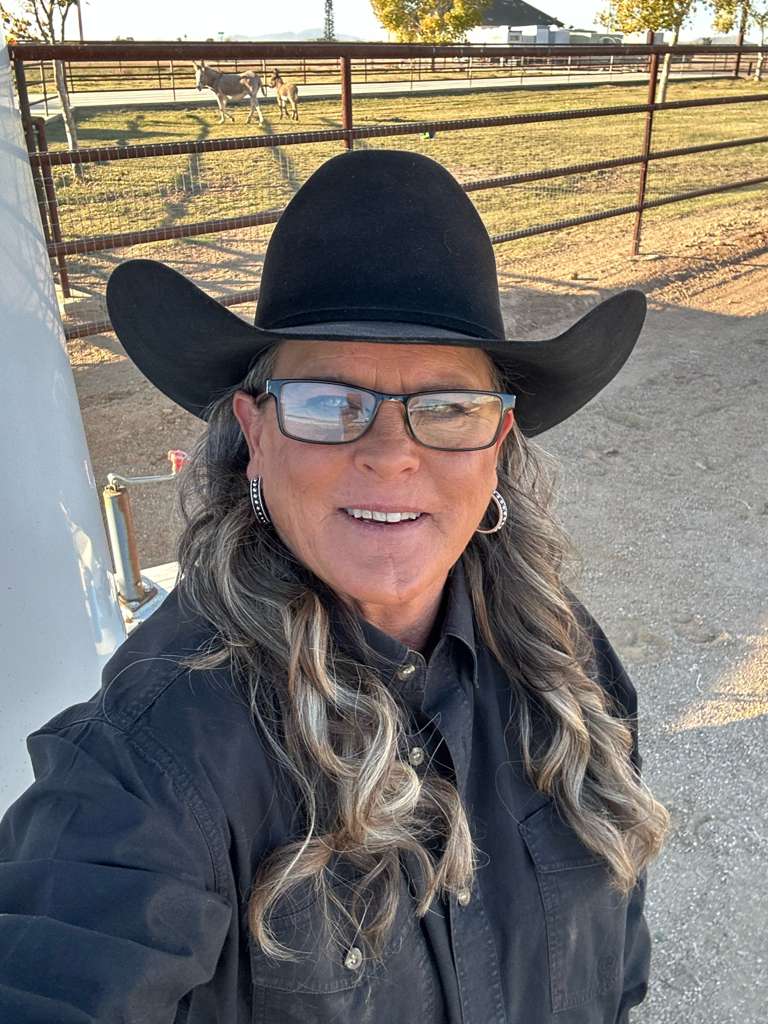
Kim Williamson, REALTOR®
8x WPRA World Champion — the only one in Arizona real estate
24 years of East Valley experience | Over 1,000 closed transactions
Real Broker, LLC
Phone: 480-206-1500
Website: arizonahorsepropertyforsale.com
Email: [email protected]