Queen Creek Horse Property for Sale 2026
Queen Creek Horse Property for Sale in 2026: What Every Buyer Needs to Know
If you are searching for horse property for sale in Queen Creek, Arizona in 2026, you are looking in the right place — but you need to go in with your eyes open.
Queen Creek is not just a suburb that happens to allow horses. It is one of the most established equestrian communities in the entire Southwest, with dedicated corridors, flood irrigation access, and a culture built around the western lifestyle. Buyers who understand how this market works gain a decisive advantage. Those who don't often lose properties to buyers who do — or worse, purchase the wrong property and spend years correcting it.
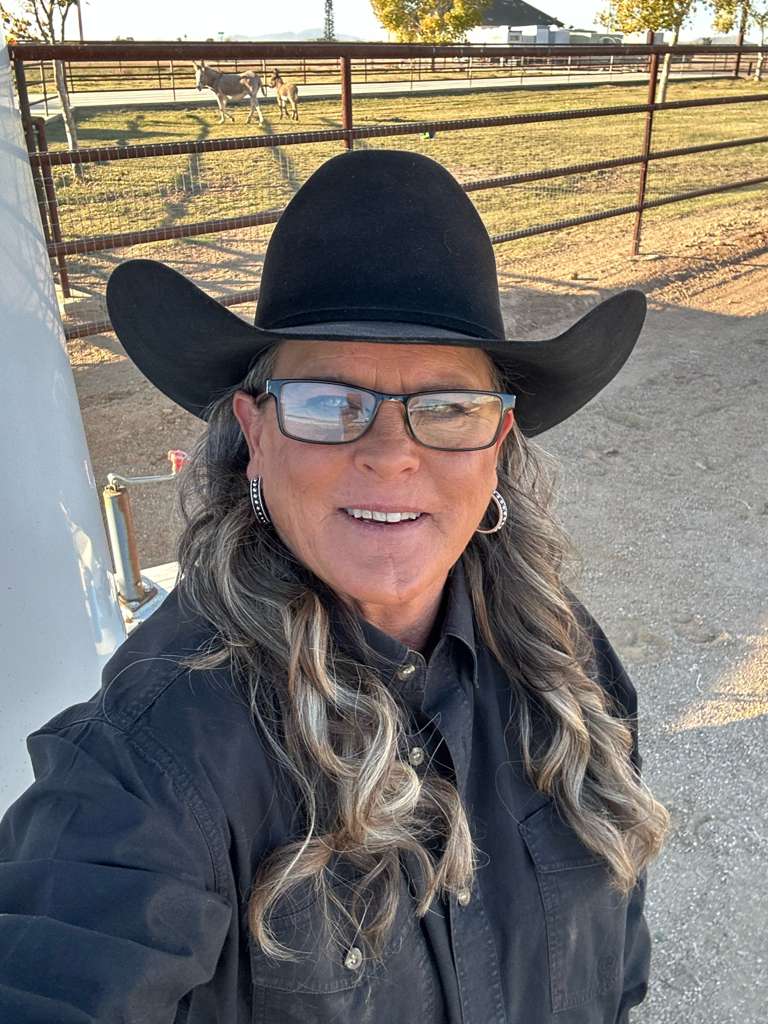
Kim Williamson has been buying and selling horse property in Queen Creek for 24 years. As the only 8x WPRA World Champion in Arizona real estate, she brings a level of horsemanship knowledge that most agents simply don't have. This is the guide she wishes every buyer had before they started searching.
Why Queen Creek Remains Arizona's Premier Horse Property Market
Queen Creek earned its reputation for a reason. The town was built around agricultural and equestrian use, and unlike many East Valley cities, it has actively protected that identity as development has pushed outward.
Key advantages Queen Creek offers horse property buyers in 2026:
ESTABLISHED HORSE CORRIDORS: Neighborhoods like Meridian, Pecan Creek, and Rittenhouse Road corridors were designed with equestrian use in mind — wide lot setbacks, shared riding paths, and neighbors who understand what it means to live alongside horses.
FLOOD IRRIGATION ACCESS: This is the feature that separates serious horse properties from properties that merely allow horses. Flood irrigation delivers agricultural-grade water to properties through a scheduled system managed by the Queen Creek Irrigation District. Properties with flood irrigation rights can maintain pastures, reduce dust, and keep costs manageable in the Arizona heat. Not every property has these rights — and the difference in value between a property with flood irrigation and one without is significant.
PROXIMITY TO HORSESHOE PARK & EQUESTRIAN CENTRE: This 240-acre regional facility hosts WPRA rodeo events, barrel racing, cutting, team roping, and countless other competitions year-round. If you compete or train seriously, living within hauling distance of this venue is a major quality-of-life factor.
TOWN GOVERNANCE THAT SUPPORTS EQUESTRIAN USE: Queen Creek has consistently maintained zoning protections for horse properties, which provides stability and long-term confidence for buyers making major investments.
What Queen Creek Horse Property Costs in 2026
The Queen Creek horse property market in 2026 reflects the continued demand from both in-state buyers and relocation buyers — particularly from California, Texas, and Colorado.
Entry-level horse properties with 1 to 1.5 acres, a modest home, and basic horse setup typically start in the $650,000–$850,000 range. These properties often need some updating to the horse facilities but offer strong land value and excellent location.
Mid-range properties in the $850,000–$1.4 million range typically include 1.5 to 3 acres, an established barn or covered stalls, a functional arena, and a well-maintained home. Flood irrigation is common at this tier.
Premium properties above $1.4 million include purpose-built equestrian facilities — professional arenas, multiple stall barns, mare motels, turnout pens, and custom homes with finishes that match the lifestyle.
The most important thing to understand: Queen Creek horse property is not negotiated the same way a standard subdivision home is. Properties with flood irrigation rights, arena setups, and established pastures command premium pricing — and they sell quickly to buyers who recognize the value. Waiting for a price drop on a well-positioned horse property is often a losing strategy.
Zoning, Lot Size, and the Rules That Matter
Before falling in love with a property online, verify zoning. Queen Creek designates horse-friendly properties primarily under Rural Residential (RR) and Agricultural (AG) zoning categories.
Key zoning facts to confirm before making an offer:
- Minimum lot size for horses in most areas is 1 acre, though requirements vary by neighborhood
- Number of horses allowed is typically calculated per acre — the standard is often 1 horse per 0.5 acres of usable land
- Setback requirements dictate how close barns and structures can be to property lines and neighboring homes
- HOA restrictions — some Queen Creek communities have HOAs that layer additional rules on top of town zoning. Always request the CC&Rs and review them before writing an offer
Kim has walked hundreds of buyers through this process. The properties that seem perfect online sometimes have HOA language that restricts arena lighting, limits horse count, or prohibits certain types of facilities. Knowing before you offer costs nothing. Discovering it after close costs everything.
What to Evaluate on Every Queen Creek Horse Property Tour
When you walk a horse property, you are evaluating two things simultaneously: the home and the land operation. Most buyers are good at evaluating homes. Horse property takes a different eye.
USABLE ACREAGE VS. TOTAL ACREAGE: A 2-acre listing sounds great until you realize half of it sits in a drainage easement or slopes badly. Walk every foot of the land.
WATER SYSTEMS: Understand whether the property uses city water, a private well, or flood irrigation. Confirm the irrigation district membership status, water schedule, and any outstanding assessments. Well properties require a well inspection — depth, recovery rate, and water quality testing.
ARENA CONDITION: Arena footing is expensive to fix. Look for hardpan, compaction, or poor drainage. A graded arena with decomposed granite footing that has been properly maintained is a significant value-add. An arena with rutted, uneven ground is a future expense.
BARN AND STALL CONSTRUCTION: Wood structures in Arizona deteriorate differently than in other climates. Look for rot at ground contact points, compromised roofing, and inadequate ventilation. Shade and airflow are non-negotiable in 115-degree summers.
FENCING: Pipe and cable is the standard for serious horse operations. Board fencing looks beautiful but requires constant maintenance. Wire fencing requires close evaluation the wrong type is a safety hazard.
The Relocation Buyer's Advantage in Queen Creek
A significant portion of Queen Creek horse property buyers in 2026 are relocating from other states — most commonly Texas, California, and Colorado. These buyers bring two things: a clear vision of what they want, and sometimes an incomplete understanding of Arizona-specific considerations.
Arizona horse property is different from Texas in several key ways. Flood irrigation is an Arizona-specific system with no direct Texas equivalent. The desert climate changes how you think about shade structures, water consumption, and arena footing. Monsoon drainage is a real consideration that out-of-state buyers often underestimate.
Kim works with relocation buyers regularly and understands how to translate their experience from other markets into sound purchasing decisions in the East Valley. If you are moving to Arizona with horses, this expertise is not optional — it is the difference between a smooth transition and an expensive learning curve.
Why Working With an Expert Matters More on Horse Property
A standard real estate transaction is complex. A horse property transaction in Queen Creek adds multiple layers: well inspections, irrigation district transfers, water rights documentation, zoning verification, agricultural exemption status, and facility assessments.
Agents who do not own or work with horses regularly miss things that cost buyers real money. They do not know what flood irrigation scheduling means for the property's value. They cannot tell the difference between usable arena footing and expensive remediation work. They are not going to catch a drainage problem that will turn your new pasture into a retention pond every monsoon.
Kim Williamson's 24 years of East Valley horse property experience — combined with eight World Championships earned through understanding how horses actually live and perform means her buyers get a different caliber of representation.
The Bottom Line on Queen Creek Horse Property in 2026
Queen Creek remains the benchmark for horse property in the East Valley. The flood irrigation corridors, the established equestrian community, the proximity to Horseshoe Park, and the town's commitment to protecting agricultural zoning make it a market worth the premium.
For serious horse property buyers, the strategy is simple: get pre-approved, know exactly what you need in a horse setup, work with an agent who understands both sides of the transaction, and move decisively when the right property comes available.
The buyers who wait for the perfect property at a discount spend years waiting. The buyers who understand value — and position themselves to act — are the ones who end up with the right property.
Ready to find your Queen Creek horse property?
Call Kim Williamson at 480-206-1500 or visit arizonahorsepropertyforsale.com to search current horse property listings in Queen Creek and the East Valley. With 24 years of experience, over 1,000 closed transactions, and 8 World Championships behind her, Kim delivers championship-caliber results for every buyer.
Kim Williamson, PLLC | Revelation Real Estate | 4050 S. Arizona Ave., Chandler AZ | 480-206-1500