What Should I Know Before Buying Horse Property in Arizona?
What Should I Know Before Buying Horse Property in Arizona?
If you’re thinking about buying horse property in Arizona, you probably already know it’s very different from buying a typical home.
More land, more freedom—but also more responsibility.
And if you don’t know what to look for, it’s easy to overlook important details that can cost you time, money, and frustration later.
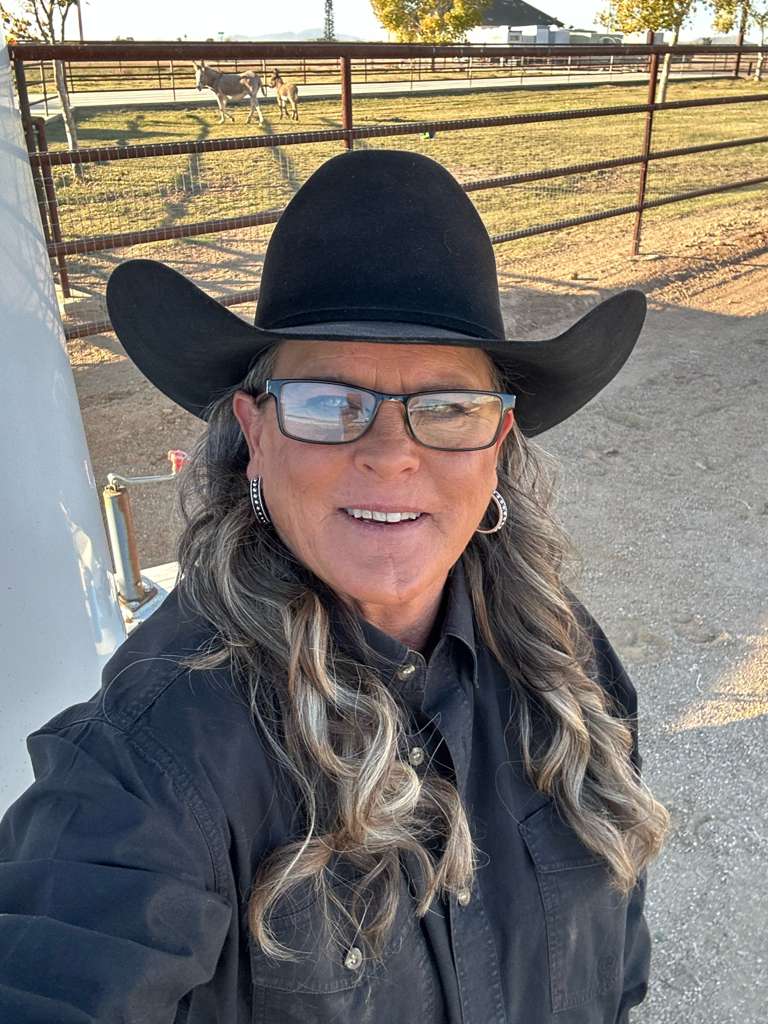
Kim Williamson, REALTOR® with Real Brokerage, helps buyers in Gilbert, Queen Creek, and San Tan Valley find the right horse property based on their lifestyle, needs, and long-term goals. Here’s what you need to know before you buy.
Not All “Horse Property” Is the Same
One of the biggest misconceptions is that if a property is labeled “horse property,” it’s automatically ready for horses.
That’s not always true.
Some properties:
Allow horses but are not set up for them
Have limited space or poor layout
Require significant improvements
It’s important to look beyond the listing description.
Zoning and Horse Privileges
Before buying, you need to confirm the property is properly zoned for horses.
Things to check:
Local zoning regulations
HOA restrictions (if applicable)
Number of horses allowed per acre
Setback requirements for barns and structures
Each area—Gilbert, Queen Creek, and San Tan Valley—can have different rules.
Land Size and Usability
Acreage alone doesn’t tell the full story.
You need to evaluate:
Usable vs non-usable land
Terrain and grading
Drainage
Access points
Flat, accessible land is much more functional than uneven or restricted space.
Water Access and Utilities
Water is one of the most important factors for horse property.
You’ll want to understand:
Whether the property is on city water or a well
Water pressure and capacity
Irrigation setup
Cost of maintaining water systems
This can impact both daily use and long-term expenses.
Existing Horse Facilities
Some properties already include horse amenities, while others do not.
Look for:
Stalls or barns
Fencing and safety features
Arena space
Shade structures
If these are not in place, you’ll need to factor in the cost of adding them.
Location and Riding Access
Where the property is located matters just as much as the property itself.
Consider:
Access to riding trails
Proximity to equestrian facilities
Distance to feed stores and services
Overall neighborhood environment
Queen Creek and San Tan Valley, in particular, offer strong horse property opportunities with access to open space.
Maintenance and Upkeep
Horse properties require more maintenance than standard homes.
This includes:
Land care
Fencing repairs
Manure management
Facility upkeep
It’s important to be prepared for both the time and cost involved.
A Real Buyer Scenario
A buyer Kim worked with was excited to purchase their first horse property in Queen Creek.
At first, they focused only on acreage and price.
But after reviewing several properties, they realized:
Some lots were not fully usable
Others lacked proper fencing
A few had zoning limitations
By adjusting their criteria and focusing on functionality, they found a property that truly fit their needs—not just on paper, but in real life.
Common Mistakes Buyers Make
Here are some of the biggest mistakes:
Assuming all horse properties are ready for horses
Not verifying zoning and restrictions
Underestimating setup and maintenance costs
Focusing only on price instead of usability
Avoiding these can save you significant frustration later.
Frequently Asked Questions
How many horses can I have on my property in Arizona?
It depends on zoning and lot size. Each area has different regulations.
Is Queen Creek or San Tan Valley better for horse property?
Both offer strong options. Queen Creek may have more established areas, while San Tan Valley often offers more affordability and space.
Do I need special financing for horse property?
Sometimes, especially for larger or more unique properties. It depends on the property type and loan.
Final Thoughts
Buying horse property in Arizona can be incredibly rewarding—but it requires more knowledge and planning than a typical home purchase.
Understanding zoning, land usability, water access, and long-term maintenance will help you make a smarter decision.
With the right guidance, you can find a property that truly fits your lifestyle.
Next Steps
If you’re considering buying horse property in Gilbert, Queen Creek, or San Tan Valley and want help finding the right fit:
Kim Williamson, REALTOR®
Real Estate Agent with Real Brokerage
Serving Gilbert, Queen Creek, and San Tan Valley
Phone: 480.206.1500
Website:arizonahorsepropertyforsale.com
Email:[email protected]